
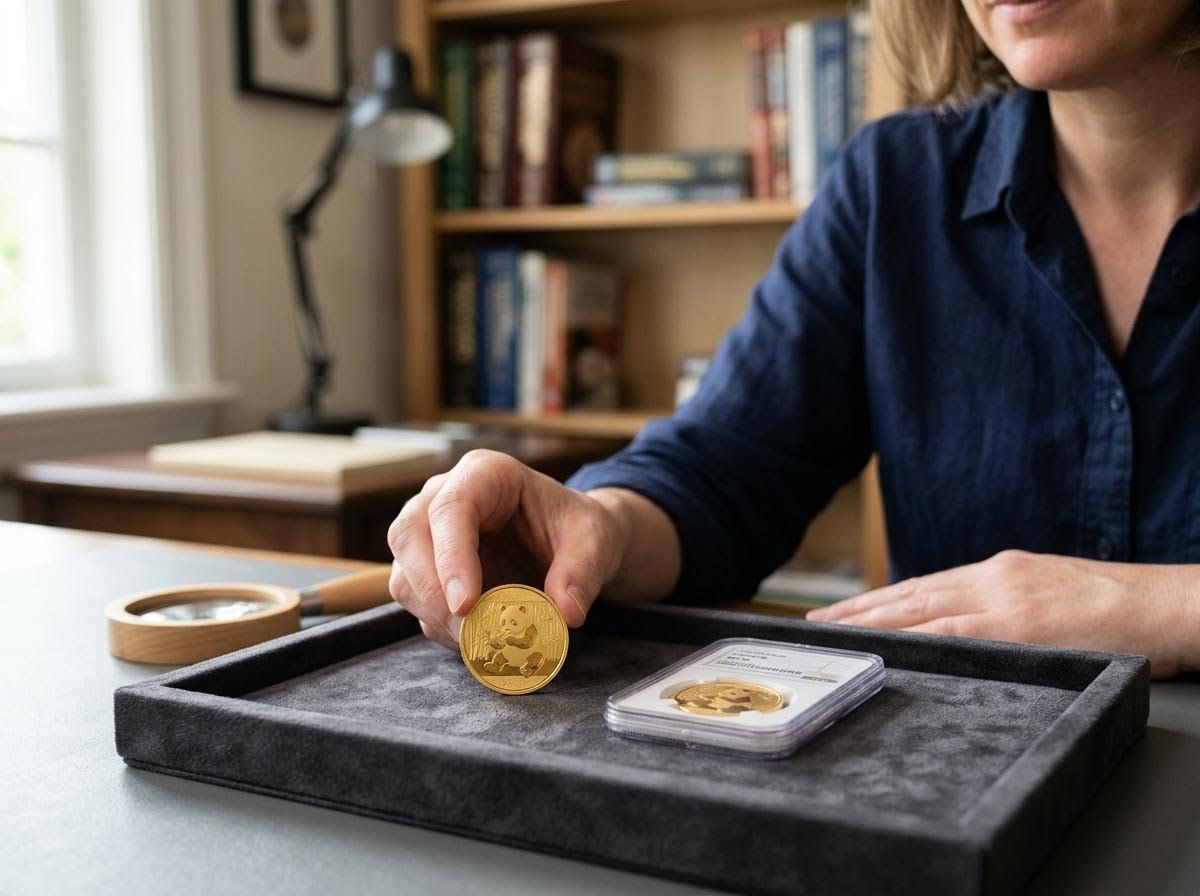
Chinese Panda Coins hold a special place in the hearts of collectors and investors alike, captivating with their intricate designs and high purity. But when considering a Golden Panda, a crucial question often arises: how does its value differ when it's simply a piece of precious metal versus when it has been professionally graded? At The Panda Guru, we believe in empowering our community with transparent knowledge, helping you navigate the exciting world of numismatics to truly understand the worth of these exquisite pieces.
The Unique Allure of Golden Panda Coins
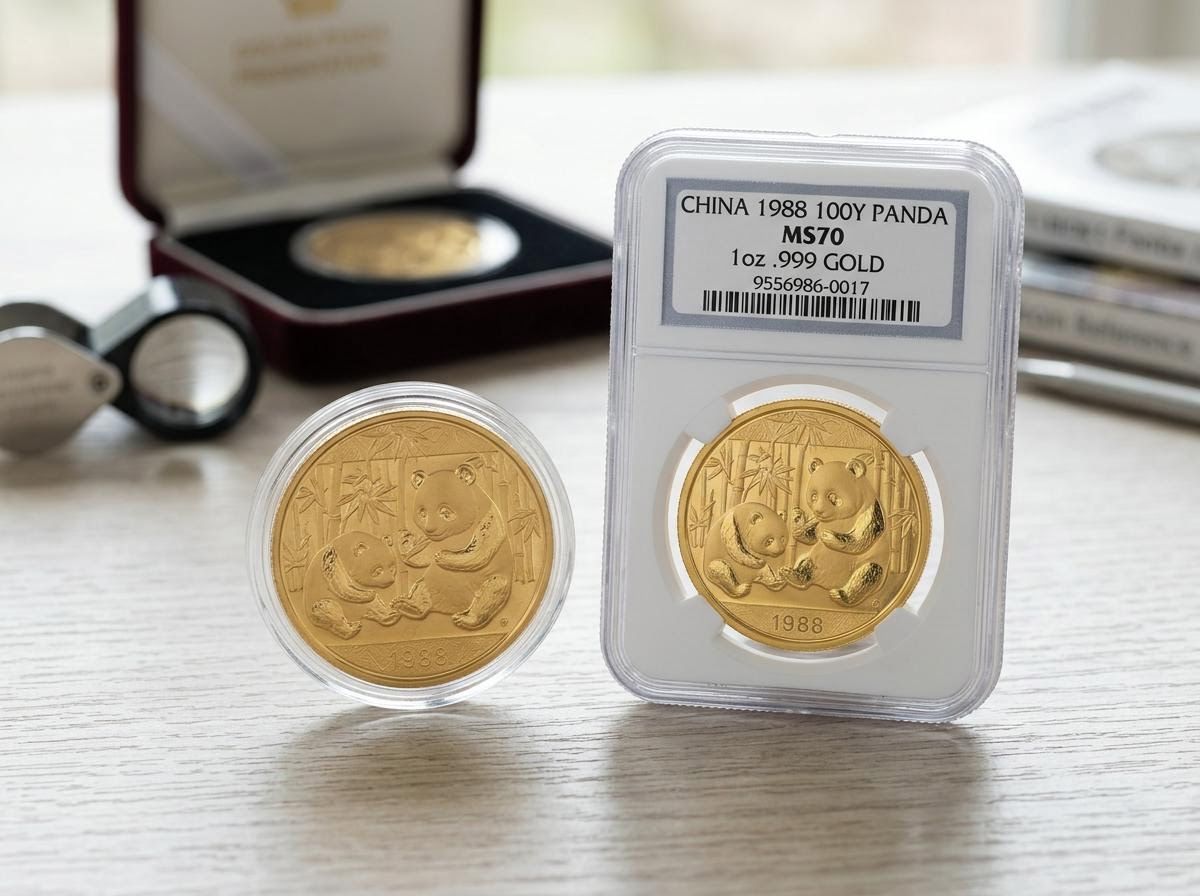
Golden Panda coins are more than just bullion; they are miniature works of art struck in precious metal. Since their inception in 1982, these coins have garnered immense popularity due to their annually changing reverse designs (with a few exceptions), exceptional purity, and the iconic representation of China's national treasure. This unique combination of intrinsic precious metal value and numismatic artistry makes them highly sought after by collectors worldwide, creating a dynamic market where condition and presentation play a significant role in determining their ultimate value.
Raw Golden Pandas: The Foundation of Intrinsic Value
A "raw" Golden Panda coin refers to one that has not been submitted to a third-party grading service. Its value primarily stems from its gold content, which is directly tied to the fluctuating spot price of gold on the global market. For example, a 1 oz Golden Panda will always have the intrinsic value of 1 troy ounce of pure gold, minus any small dealer premiums or specific market conditions. While condition still matters for raw coins – dents, scratches, or tarnishing will always reduce appeal and value – its worth is largely dictated by the metal itself. Raw coins are often purchased by investors looking for a direct exposure to gold, with the Panda design as an attractive bonus.
The Professional Grade Advantage: Elevating Numismatic Worth
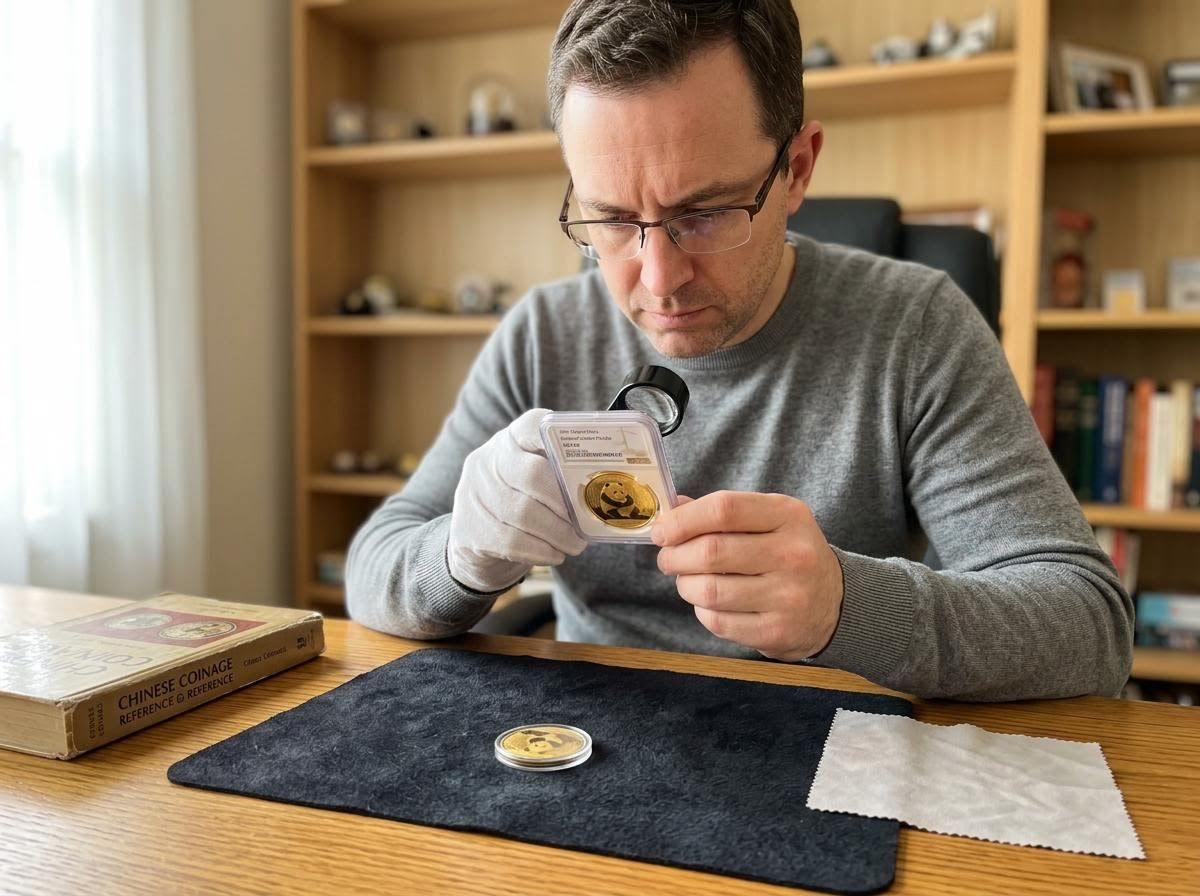
Professional grading transforms a Golden Panda from a beautiful piece of bullion into a certified numismatic treasure. Services like PCGS or NGC meticulously examine, authenticate, and assign a numerical grade based on a coin's condition, from Poor (P-1) to Perfect Mint State (MS-70) or Proof (PF-70). This process, often followed by encapsulation in a tamper-evident slab, provides an objective assessment of quality, enhancing a coin's liquidity and desirability. A high-grade Golden Panda, especially a rare date or one with an exceptional strike, can command a significant premium far beyond its melt value, often escalating its worth tenfold or more, due to its certified rarity and preserved condition.
Deciding to Grade: A Strategic Consideration
The decision to have a Golden Panda professionally graded is a strategic one, balancing potential upside against the cost of the service. Generally, coins in pristine, uncirculated condition, or those with known rarity or key dates, are excellent candidates for grading. A high grade can unlock substantial numismatic value, making it a wise investment. However, grading a coin with obvious flaws or one that is widely available in high grades might not yield a return sufficient to cover the grading fees. It's crucial to assess your coin's condition carefully, understand its mintage and market demand, and perhaps even consult with experienced numismatists to determine if grading is the right path for maximizing its value.
Understanding the distinction between a raw Golden Panda's intrinsic metal value and the enhanced numismatic worth of a professionally graded piece is fundamental for any collector. While all Golden Pandas hold inherent beauty and value, the added layer of expert certification can unlock significant premiums, transforming a valuable coin into a truly exceptional investment. To further explore the nuances of collecting and grading, we invite you to connect with our passionate community and leverage our expert resources.