
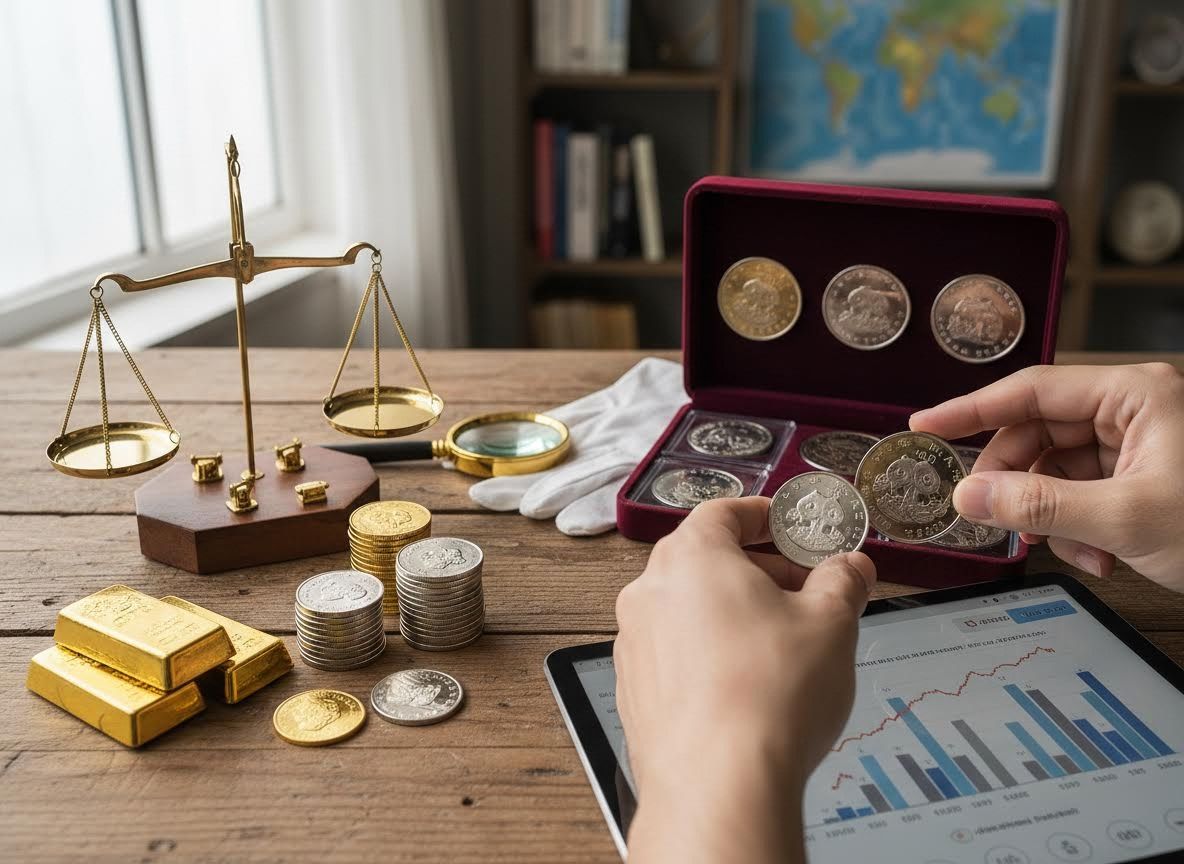
When you hold a beautiful Chinese Panda Coin, do you see its weight in precious metal or a story etched in silver or gold? At The Panda Guru, we understand that for collectors, the answer is often both. Understanding how to value your Panda coins is key to appreciating your collection, and it primarily breaks down into two distinct yet sometimes overlapping approaches: bullion value and numismatic value. Let's explore these two pathways to fully grasp the worth of your treasures.
Bullion Value: The Foundation of Worth
At its core, the bullion value of a coin refers to the intrinsic worth of the metal it contains. For Panda coins, which are renowned for their high purity, this means calculating the current market price of gold or silver multiplied by the coin's weight. This value fluctuates daily with the global precious metals market, often referred to as the spot price.
For many investors, particularly those focused on wealth preservation or hedging against inflation, the bullion aspect is paramount. They prioritize the metal content, viewing Panda coins as a convenient and beautiful way to hold physical gold or silver. While every Panda coin has a base bullion value, some are acquired primarily for this purpose, especially those from years with higher mintages or less distinctive designs that haven't developed significant collector appeal beyond their metal content.
Numismatic Value: Beyond the Melt
Numismatic value, on the other hand, delves into the coin's collectible appeal, which can significantly exceed its metal content. This value is determined by a confluence of factors, including rarity, condition (grading), mintage figures, historical significance, demand from collectors, and unique aesthetic features. Chinese Panda coins are exceptional in the world of numismatics due to their annually changing designs, featuring a new panda motif each year. This unique characteristic inherently fosters collector interest, as each year presents a distinct artistic rendition.
Furthermore, specific mint marks, variations, or errors can dramatically increase a Panda coin's numismatic worth. Understanding these subtle differences is where the expertise of knowledgeable coin dealers becomes invaluable. They can help identify the specific attributes that elevate a coin from a simple piece of bullion to a coveted numismatic rarity.
The Interplay: When Bullion Meets Numismatics
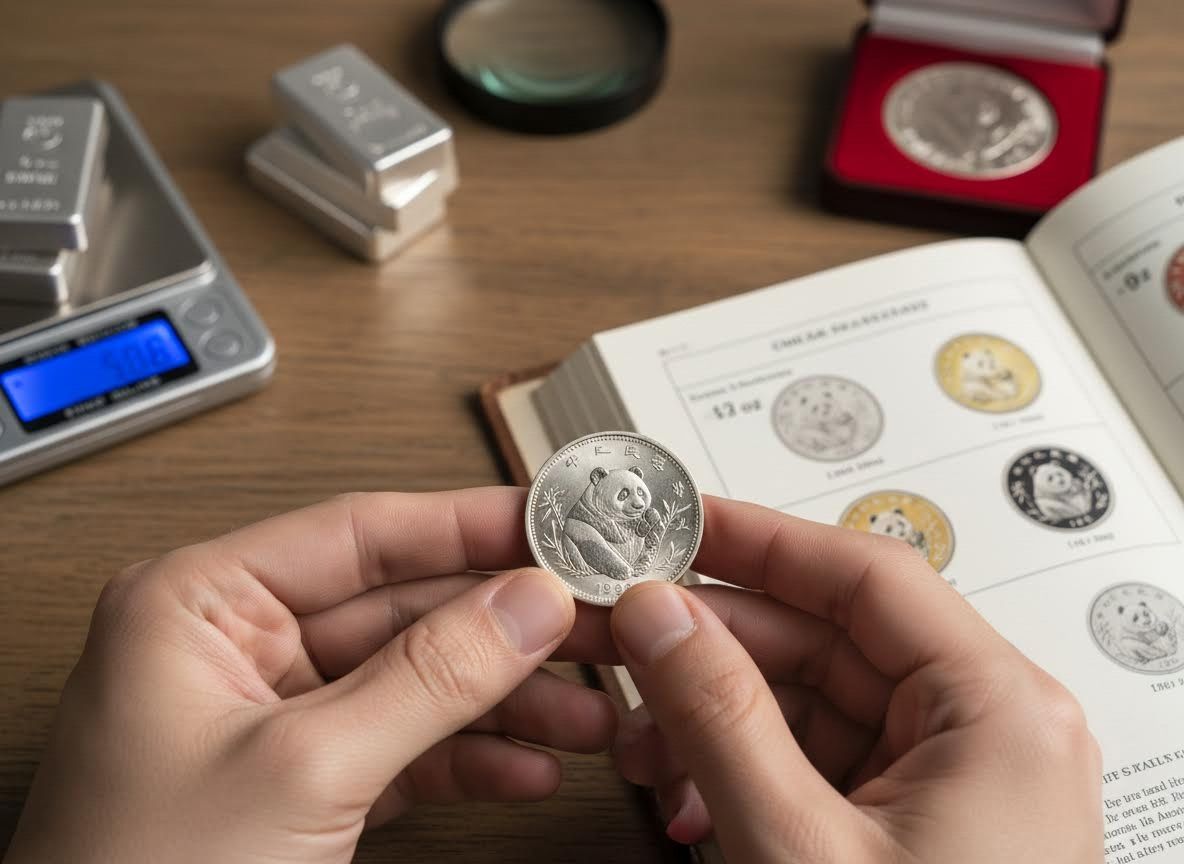
For many Panda coins, their true value often lies at the fascinating intersection of bullion and numismatics. While every Panda coin starts with its inherent metal worth, certain issues transcend this baseline due to their unique qualities. A low mintage year, an exceptionally high grade, or a particularly beloved design can push a Panda coin's value far beyond its melt price. For example, early issues of Panda coins or those with unique proofs or special finishes frequently command significant premiums in the numismatic market.
This is precisely why collectors must look beyond just the metal content and consider the broader context of the coin's place in history and its appeal to the wider collecting community. Engaging with this duality enriches the collecting experience, transforming a simple investment into a passionate pursuit.
Maximizing Your Collection's Potential
Understanding the distinction between bullion and numismatic value is essential for every Panda coin collector. It empowers you to make informed decisions, whether you're acquiring a new piece or evaluating your existing collection. For those looking to dive deeper into the world of collectible Panda coins and rare precious metal bullion, exploring expert resources and participating in community events like Panda coin auctions can significantly enhance your knowledge and opportunities. Learn to recognize the factors that elevate a coin's worth, ensuring you appreciate every facet of your cherished collection. To get started, join one of the Panda coin auctions with The Panda Guru today!