
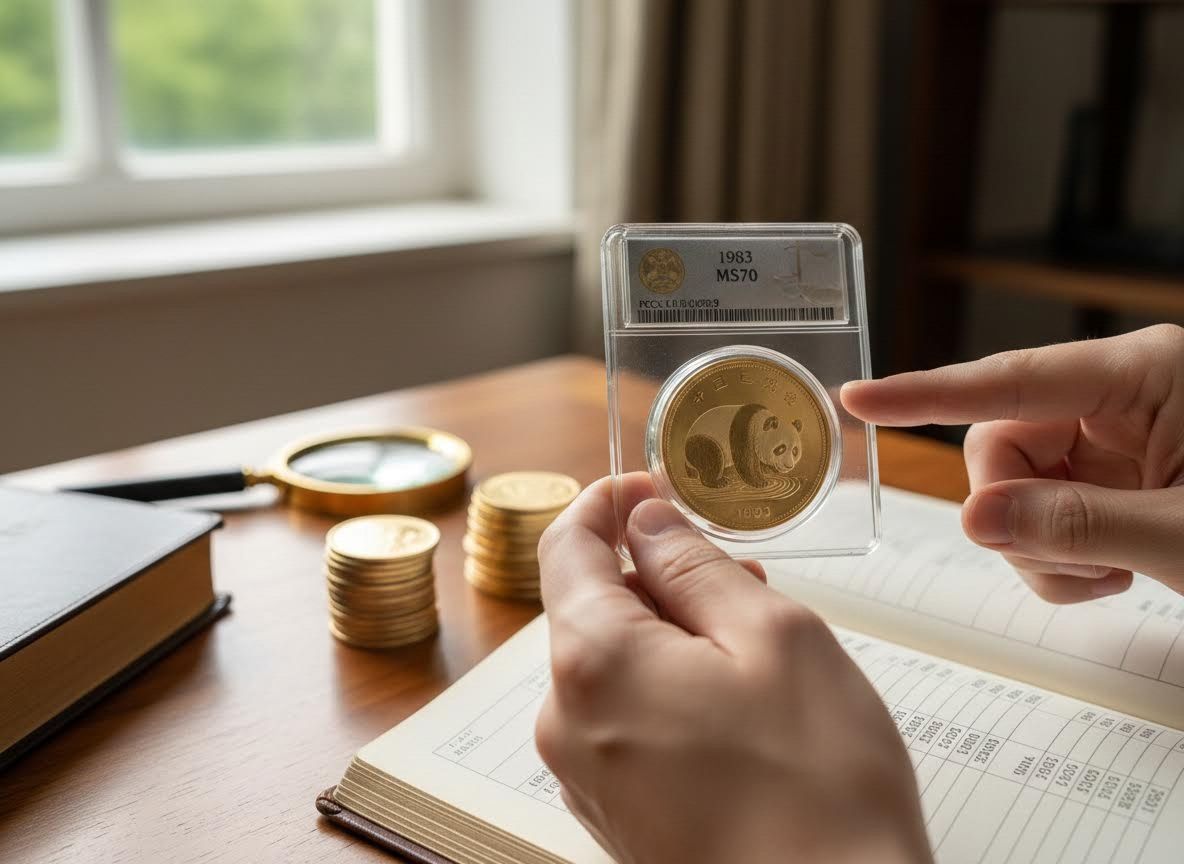
For collectors and investors alike, the pursuit of rare and highly coveted precious metal bullion is a thrilling journey. Among the most celebrated of these treasures are Chinese Panda coins, renowned for their stunning artistry, purity, and annually changing designs.
At The Panda Guru, we understand the immense appeal of these unique pieces, and a crucial aspect of their value often hinges on their mintage figures. This post will delve into the fascinating world of low-mintage years for Panda coins and explore what makes certain editions command the highest market premiums.
The Foundation of Value: Mintage and Numismatics
In the world of numismatics, scarcity is a powerful driver of value. When we talk about low mintage, we're referring to the total number of coins produced in a specific year for a particular design and denomination. For Panda coins, which feature a new design each year, this annual production figure is a critical piece of information. A lower mintage means fewer examples of that specific coin exist in the market, naturally increasing its desirability and potential for appreciation.
This fundamental principle of supply and demand underpins why certain Panda coins become so sought after, turning them into not just beautiful collectibles but significant assets. Understanding these production numbers is often the first step in identifying truly special pieces.
Beyond Scarcity: Other Premium-Driving Factors
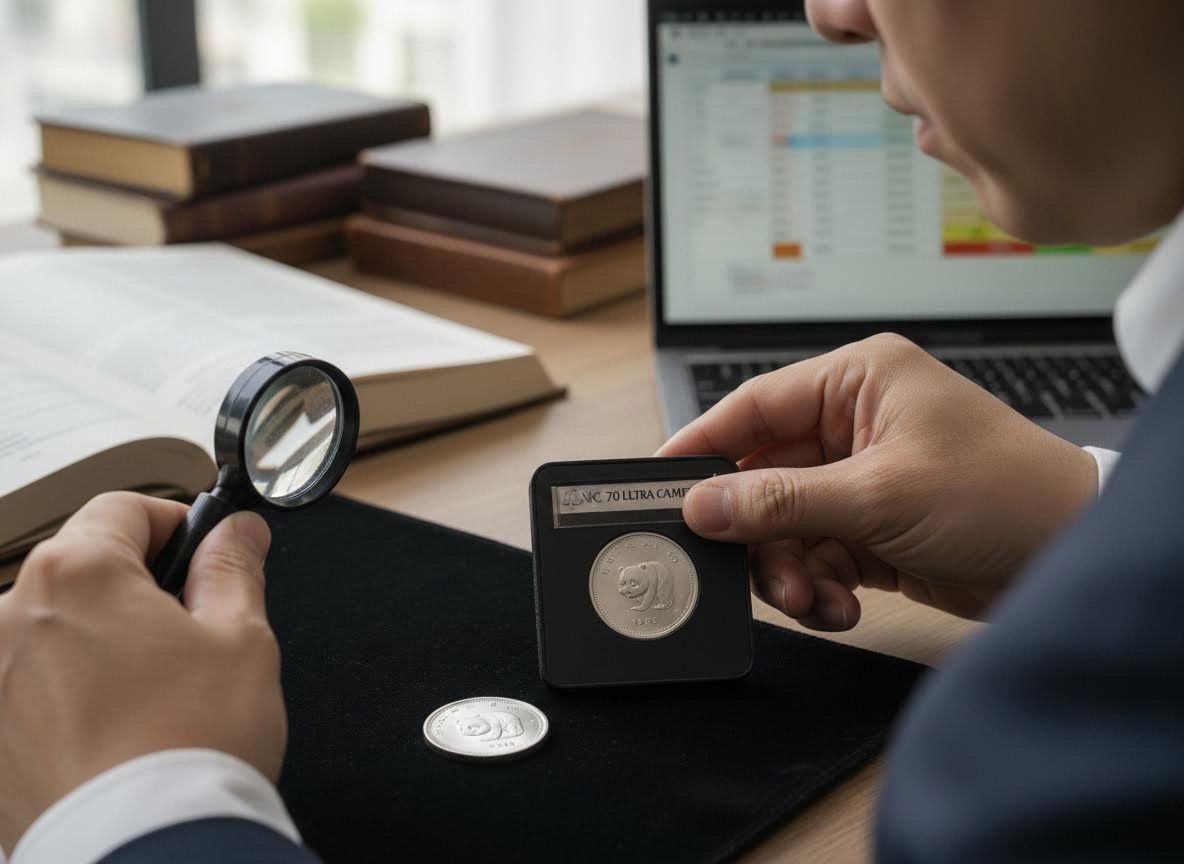
While low mintage is a significant factor, it's essential to recognize that it's not the sole determinant of a Panda coin's market premium. The condition of the coin, meticulously preserved and often professionally graded, plays an equally crucial role. A coin with a low mintage will command a far higher premium if it is in pristine condition (e.g., a perfect "70" grade) compared to one with significant wear or damage.
Provenance, or the documented history of ownership, can also add considerable value, especially for exceptionally rare pieces. Furthermore, market sentiment, historical significance of the design, and even minor variations or errors can contribute to a coin's desirability. Expert coin dealers often assess a combination of these elements to arrive at a fair market value, emphasizing that a truly premium coin is a confluence of multiple desirable attributes.
Identifying Historically Significant Low-Mintage Panda Coins
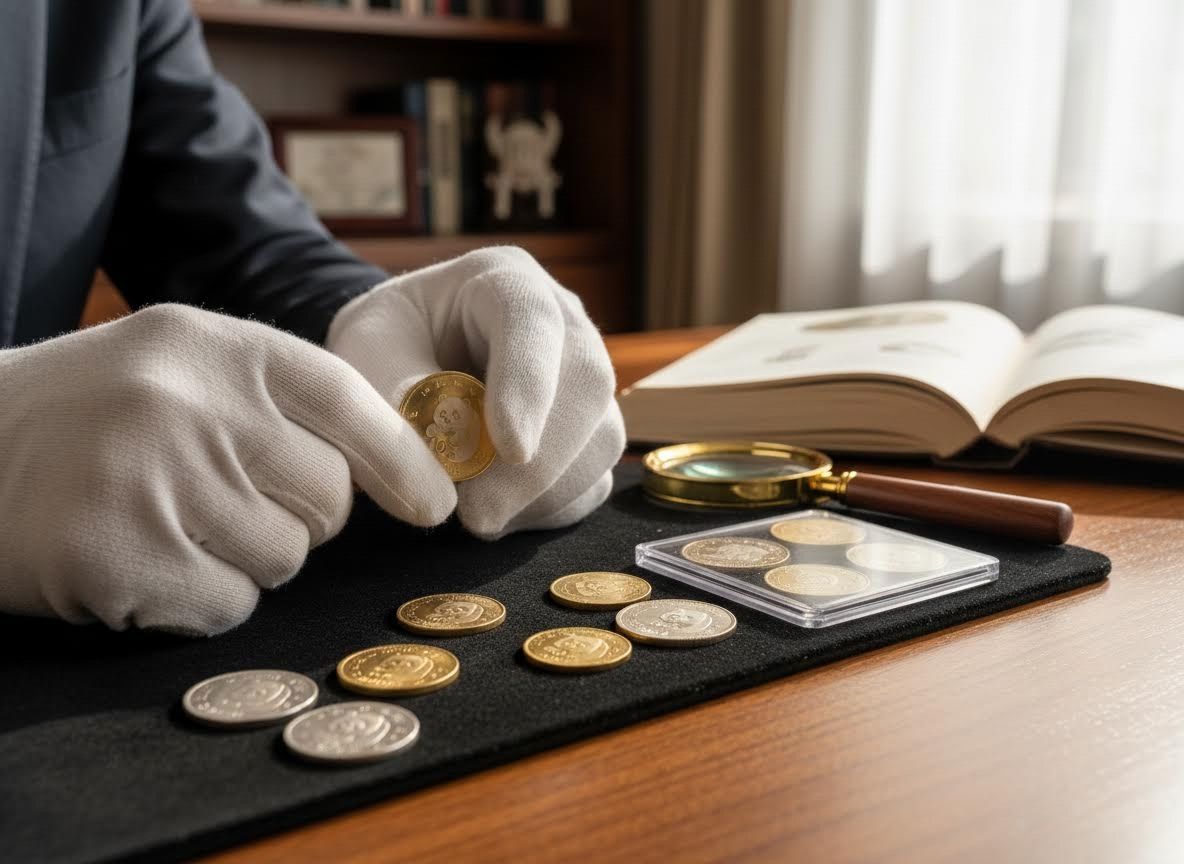
Over the decades, several Panda coin issues have distinguished themselves due to their exceptionally low mintage figures or unique circumstances surrounding their release. While general mintage numbers are available, true rarity often comes down to the number of high-grade examples that have survived.
Early issues from the 1980s, especially those in smaller denominations or with specific variations, frequently feature lower mintages compared to modern releases. For instance, some of the 1983 or 1984 10 Yuan Gold Panda coins are highly celebrated.
Certain proof issues or special sets also inherently have lower production numbers, making them immediate targets for serious collectors. These key dates and varieties are often the ones that ignite passionate bidding in Panda coin auctions, solidifying their status as highly prized items within the numismatic community.
Your Guide to the World of Premium Panda Coins
Navigating the nuances of low-mintage years and market premiums requires both knowledge and access to reliable information. Understanding the factors that elevate a Panda coin's value, from its mintage to its condition and market demand, empowers collectors to make informed decisions. We invite you to explore the rich history and unique appeal of these magnificent treasures by joining The Panda Guru community. Discover more about the specific characteristics that make Panda coins so special and join a Panda coin auction today!